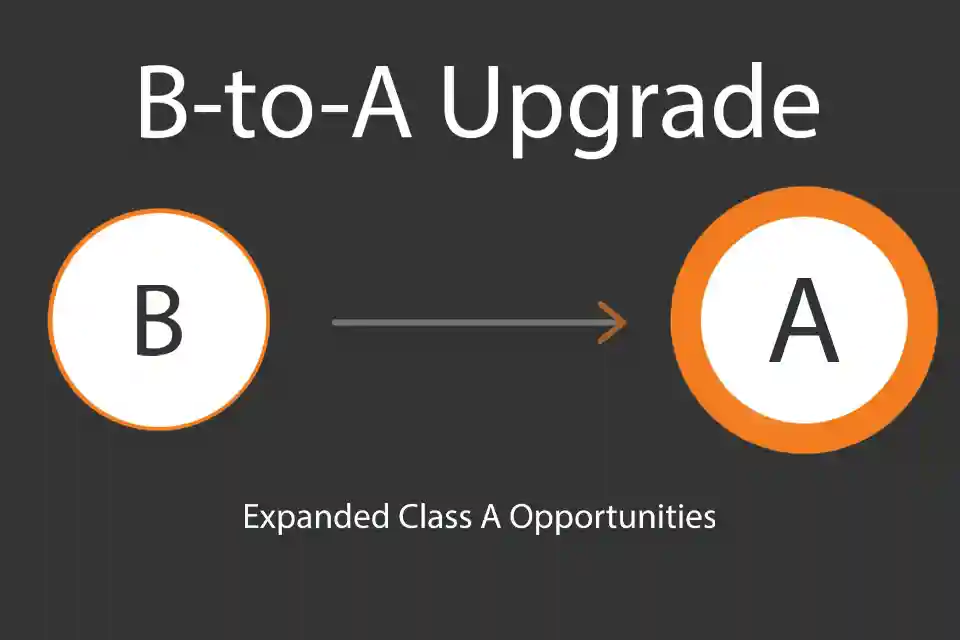



B-to-A CDL Upgrade

B-to-A CDL Upgrade For Expanded Class A Opportunities

Review whether an existing Class B foundation should lead toward Class A online theory and expanded vehicle options.

Could B-to-A Be The Right Next Step?

B-to-A is commonly reviewed by drivers with a Class B foundation who want to understand whether Class A would expand their vehicle options.

Starting point

Existing Class B Foundation

This upgrade path starts with drivers who already understand or hold a Class B direction and are reviewing what comes next.

Upgrade reason

Expanded Vehicle Opportunities

Class A may open vehicle options beyond the focused straight truck, bus, utility, or local goals often tied to Class B.

Goal check

Class A Goal Alignment

Review the upgrade when your future work goal may require Class A capability rather than staying within Class B limits.

How CDL2GO Helps With B-to-A

CDL2GO supports the online theory side of the upgrade while keeping hands-on training, skills practice, and testing as separate steps.

Online Theory Support

Use CDL2GO to complete the online theory step tied to your B-to-A upgrade review.

Upgrade Requirement Clarity

Review what changes when a Class B foundation points toward Class A opportunities.

Separate Practical Steps

Range practice, road training, and skills testing happen separately through the appropriate providers.

Your B-to-A Upgrade Steps

A simple view of how the upgrade decision connects to online theory and the practical steps that happen separately.

1

Confirm Upgrade Need

Make sure moving beyond Class B fits the vehicle options you want to pursue.

2

Complete Theory

Complete the online theory portion connected to the upgrade step.

3

Prepare Locally

Plan any required hands-on practice or vehicle training separately.

4

Follow State Process

Follow the testing and licensing steps that apply to your situation.

When B-to-A Makes More Sense

Use this section when you are deciding whether to stay with Class B, review Class A directly, or move through the B-to-A upgrade decision.

Illustrated B-to-A CDL upgrade icon used in the CDL2GO onboarding system.

B-TO-A UPGRADE

You Are Here

Use B-to-A when a Class B foundation may lead toward expanded Class A vehicle options.

Often reviewed by drivers deciding what changes when moving beyond Class B.

Illustrated Class B CDL route icon used in the CDL2GO onboarding system.

CLASS B

Current Foundation

Use Class B when your goal remains focused on straight trucks, buses, or utility vehicles.

Often reviewed as the foundation before deciding whether Class A is the next move.

Illustrated Class A CDL route icon used in the CDL2GO onboarding system.

CLASS A

Expanded Goal

Use Class A when your goal involves combination vehicles, tractor-trailers, or broader CDL opportunities.

Often reviewed as the destination that may make the upgrade worthwhile.

Before you get started

Ready To Review The B-to-A Upgrade?

If your Class B foundation points toward expanded Class A opportunities, online theory is a practical next step in the upgrade decision.

B-to-A next step

Choose Your Next B-to-A Step

Start B-to-A online theory, compare Class A and Class B, or contact CDL2GO if you are still deciding whether an upgrade fits your goal.

B-to-A CDL Upgrade Questions

Helpful answers for drivers deciding whether a Class B foundation should lead toward Class A opportunities.

B-to-A CDL Upgrade Questions

CDL License Types

  • What is the difference between Class A CDL and Class B CDL?

    Class A and Class B are different CDL license types, not just different course names. Class A is generally connected to combination vehicles such as tractor-trailers. Class B is usually more focused on straight trucks, buses, and certain local-use commercial vehicles. Start with this comparison for quick orientation, then review the Class A and Class B pages before choosing your next step.

    Compare Class A and Class B

  • Do I need a Class A CDL for the vehicles I want to drive?

    Class A may be a better fit if your goal involves tractor-trailers, combination vehicles, or broader commercial driving opportunities. You do not need to decide everything from one short answer, but those goals are strong signs that Class A deserves a closer look. Review the Class A page for a clearer explanation of what that license type usually involves and what to consider next.

    Review Class A CDL Training

  • Is Class B enough for what I want to drive?

    Class B may be a better fit if your goal involves straight trucks, certain local commercial vehicles, buses, or work that does not require a tractor-trailer or broader Class A combination-vehicle setup. Use this as a starting point only. The Class B page explains the details, with Class A available for comparison if your goals are broader or may change later.

    Review Class B CDL Training

  • Is B-to-A the same as starting Class A from the beginning?

    No. B-to-A is not the same as starting Class A from the beginning. It is for someone who already has a Class B background or Class B training experience and wants to understand what changes when moving toward Class A. Keep that difference in mind, then review the B-to-A page for the upgrade-specific explanation, comparison, and next-step context before planning.

    Review B-to-A Upgrade

  • Can I compare Class A and Class B before starting preparation?

    Yes. Comparing Class A and Class B before starting preparation can help you avoid studying in the wrong direction. You do not need to know every training detail yet, but it helps to understand which license type is most relevant to your driving goal. Start with the comparison, then review the Class A and Class B pages before choosing preparation steps.

    Review Class A CDL Training

  • Do I need a CDL class before I add endorsements?

    Your CDL class and endorsements work together. Understanding whether you need a Class A or Class B CDL first can make it easier to determine which endorsements may apply to your goals. Endorsements can add permissions or special knowledge for areas such as Hazmat, Passenger, School Bus, Tanker, or Doubles / Triples. Start with the license type, then review endorsements once your goal is clearer.

    Review Class A CDL Training

  • Should I choose Class A or Class B before choosing endorsements?

    In most cases, yes. It helps to understand whether Class A or Class B fits your goal before choosing endorsements. Your CDL class gives the endorsement decision context. Passenger, School Bus, Hazmat, Tanker, and Doubles / Triples do not replace the CDL class; they add to it. A clear license choice first makes endorsement decisions easier to understand and compare later.

    Review Class A CDL Training

  • Can a Class B driver later move toward Class A?

    Yes. A Class B driver may later review the B-to-A path if their vehicle needs, job goals, or long-term CDL plans begin pointing toward Class A. That does not make Class B the wrong starting point. It simply means the next step may involve upgrading. Review B-to-A for the upgrade explanation, with Class A available for the broader license overview.

    Review B-to-A Upgrade

  • Do I need a Class A or Class B CDL with my endorsement?

    Yes, a Class A or Class B CDL is required with an endorsement. Becoming a truck driver is an easy solution; however, which courses you need might be a little more difficult. Depending on what endorsement you’re looking for, we have course packages that pair the endorsements you need with the respective license.

    Compare Class A and Class B